
Chicago World’s Fair 1893 Map: Historic Layout
When exploring the iconic Chicago World’s Fair of 1893, one cannot help but be captivated by the intricacy of its layout. The fair, officially known as the World’s Columbian Exposition, was a monumental event that showcased innovations and celebrated the 400th anniversary of Christopher Columbus’s arrival in the New World. Central to understanding this grand event is the array of maps that chronicled the fair’s layout—each one a testament to meticulous planning and artistic vision.
Restored Map of Jackson Park Before the 1893 World’s Fair

This restored map provides an illuminating snapshot of Jackson Park prior to the fair’s transformation. The lush greenery and waterways of the park set the stage for the architectural marvels that would soon envelop them. Observing this map allows one to appreciate the initial tranquility of the surroundings before they became a bustling epicenter of innovation.
Historic Map: The Chicago World’s Fair or Columbian Exposition, Novel

This historic map is a treasure trove of information, illustrating the carefully arranged buildings that formed the “White City.” Not only does it depict the fair’s layout, but it also highlights key points of interest, such as the serene lagoon and the magnificent Ferris wheel, which became a symbol of the fair. The ornate design of this map reflects the grandeur of the event itself, offering a glimpse into the elaborate festivals of the era.
Chicago World’s Fair Map – Circa 1893 – Reproduction Souvenir Map

This reproduction souvenir map is a delightful homage to the original and evokes a sense of nostalgia. Every twist and turn on the map represents a journey through time, allowing modern viewers to imagine stepping into an era defined by hope and ambition. Essential landmarks are clearly marked, encouraging adventurers of all ages to recreate the experience of the fair.
A Day at the 1893 World’s Fair – Chicago Detours Reservations
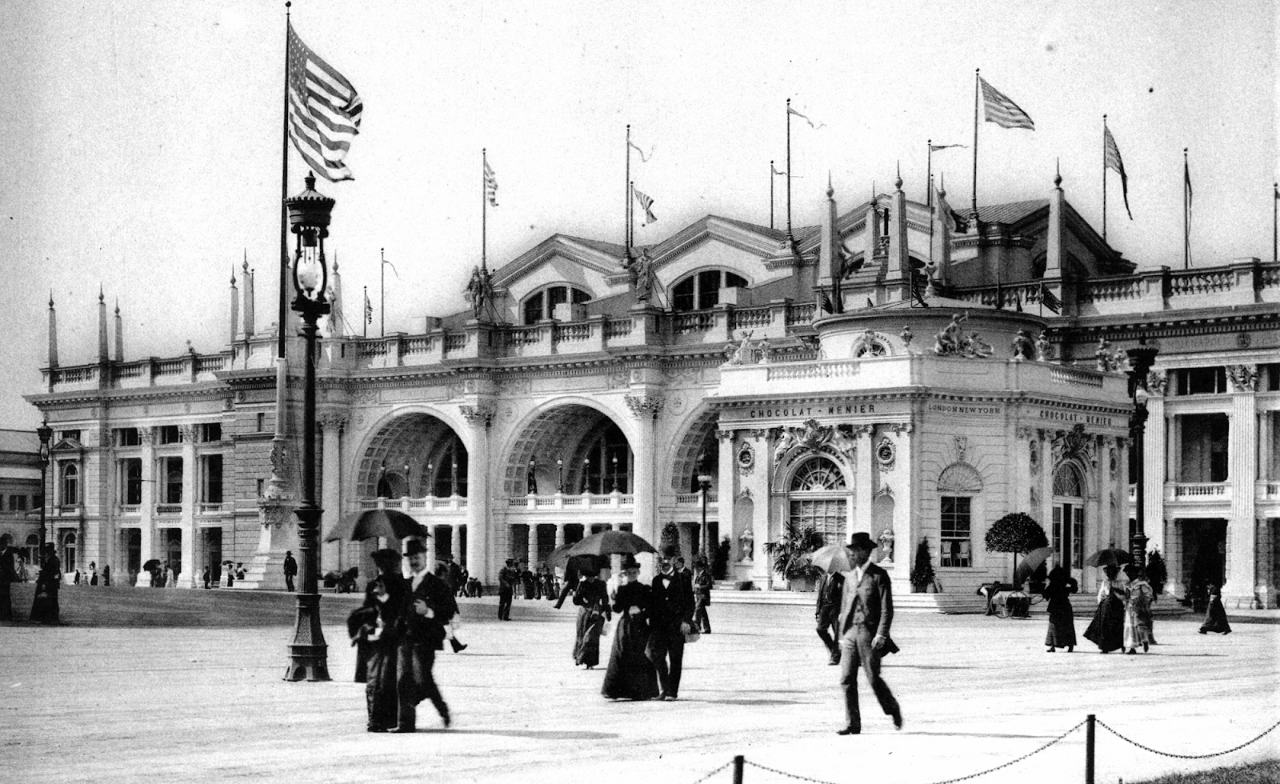
Visualize an entire day spent amid the festivities. These maps not only detailed the layout of the fair but also served as practical guides for visitors navigating the sprawling grounds. From food stalls to exhibits, each aspect was intricately planned to ensure visitors experienced the fair’s full splendor.
In essence, the maps of the 1893 Chicago World’s Fair unfold a narrative of architectural brilliance and cultural celebration. As one studies these historical artifacts, the unique character of the fair and the minds that conceived it come to life, inviting us to appreciate their legacy with a renewed perspective.
